
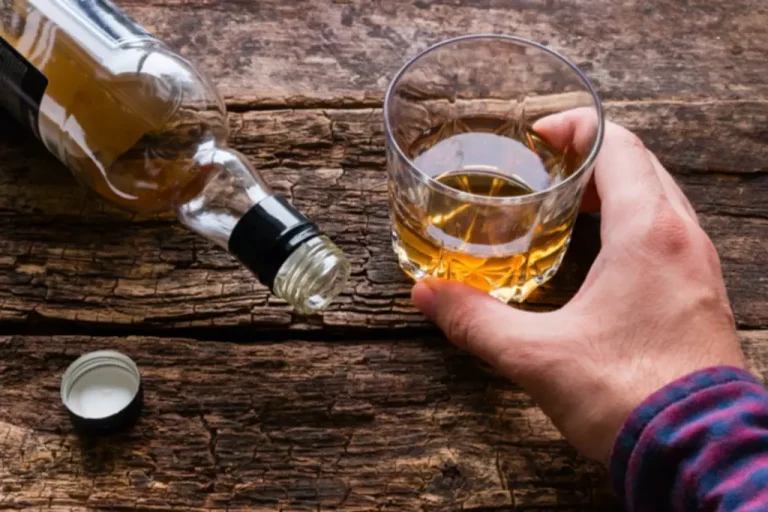
If you find yourself in a situation with someone who is angry while intoxicated, the first step is to assess your level of risk. There’s a difference in safety between someone who is expressing anger verbally and one who has become physically aggressive. Extreme happiness, or euphoria, is another common experience during drinking.
How to deal with an angry drunk
Since your judgment becomes clouded when you’re intoxicated, a simple misunderstanding can quickly turn into a bar fight. Furthermore, an angry drunk may not feel like consequences matter, making it seem like a good idea from their perspective to create or partake in a dangerous can alcohol cause anger problems situation. Furthermore, alcohol can make you focus too much on specific words or behaviors from other people.
Is Addiction in Your Genes? Exploring Hereditary Addiction Factors
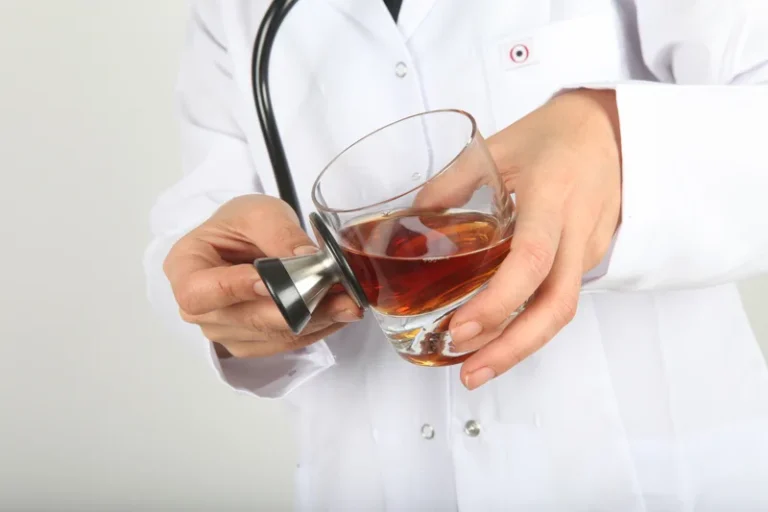
Disinhibition can make you unable to suppress or change an act of aggression that is not appropriate for the situation you’re in. Depending on the frequency of your use, you may need to discuss alcohol tapering strategies with your doctor. Heavy drinkers can experience severe and sometimes life threatening symptoms when reducing alcohol intake, so it’s important to drug addiction have medical support.
- It’s why we might make bad decisions, get worked up over small annoyances, and have trouble seeing things from someone else’s point of view.
- Our integrated programs address both addiction and mental health concerns using therapies like CBT and DBT.
- Let them know ahead of time that you’re quitting, cutting back, or taking a break from alcohol and might need some space or support from them along the way.
- For example, you wouldn’t think much if a person bumped into you by mistake.
Treatment Programs
Changing your brain’s response to anger is a lot like learning a new language–it takes time and effort, but the rewards are well worth it. The first step is to learn more about what’s happening in your brain (hence, why you’re here) so you can better recognize and manage your anger. The more you practice a new tool, the quicker you’ll be to reach for it when you feel yourself getting agitated or overwhelmed. These eventually become the coping strategies that replace your need to drink. And as they say, “if you don’t use it, you lose it.” When you rely primarily on alcohol to get you through your challenges, other coping strategies eventually atrophy. Many of us started drinking because we didn’t know how to deal with our feelings.
This inflammation can further impact the prefrontal cortex and hippocampus, compounding the negative effects of alcohol on both cognitive and emotional health. However, alcohol is a depressant that disrupts the brain’s natural chemical balance. Over time, these disruptions deepen depressive symptoms, leading to a vicious cycle where individuals drink https://ecosoberhouse.com/ more in an attempt to alleviate their worsening emotional state. Research shows that the prevalence of alcohol dependence among people with psychiatric disorders is almost twice as high as in the general population.
Greater Boston Addiction Centers
Alcohol can make some people more emotional than usual, causing them to cry more easily. Think of the last time you or an angry-drunk friend interpreted someone else’s actions as insulting and getting into a fight when the whole thing could have been avoided. They say the best way to predict future behavior is to look at past behavior. Look at your own or a friend’s behavior and see if this kind of behavior is a pattern or not. Alcohol and other psychoactive substances are known for reducing our ability to recognize emotions and empathize with others. So it should be no surprise that alcohol makes it harder to recognize when we are threatening or hostile to someone else.